
Three Things I've Learned About Death and Decluttering
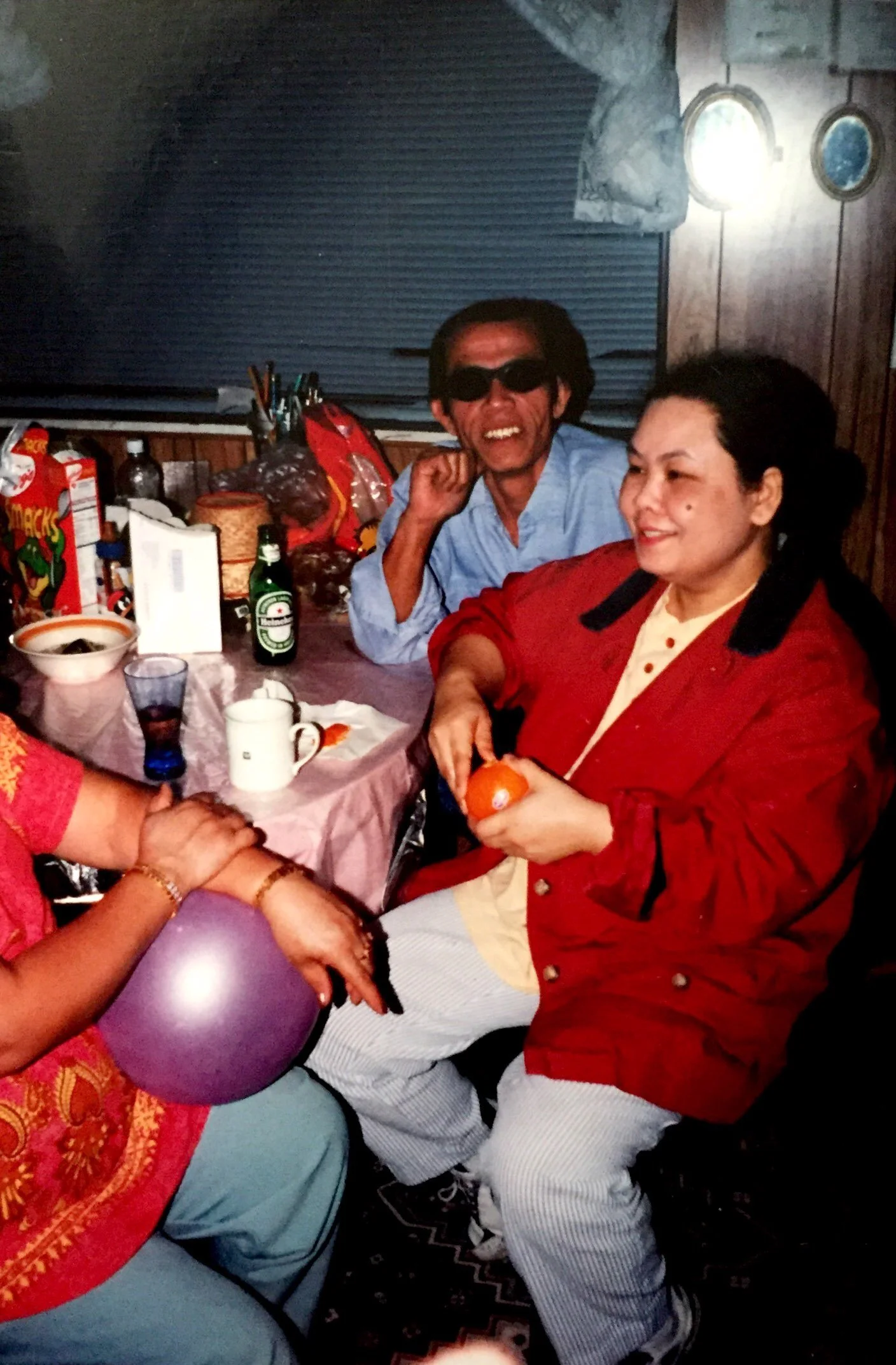
On May 8, 2020, my mom passed away from her two-year battle with breast cancer. It took about three years for my dad and me to somewhat end up on the same page in our process of mourning, but also to come to the decision of downsizing a few of her personal items. By year five, my dad was 72 and diagnosed with lung cancer alongside his battle of cirrhosis. While we tried to cope with this newness, he turned to me one day and said everything has to go.
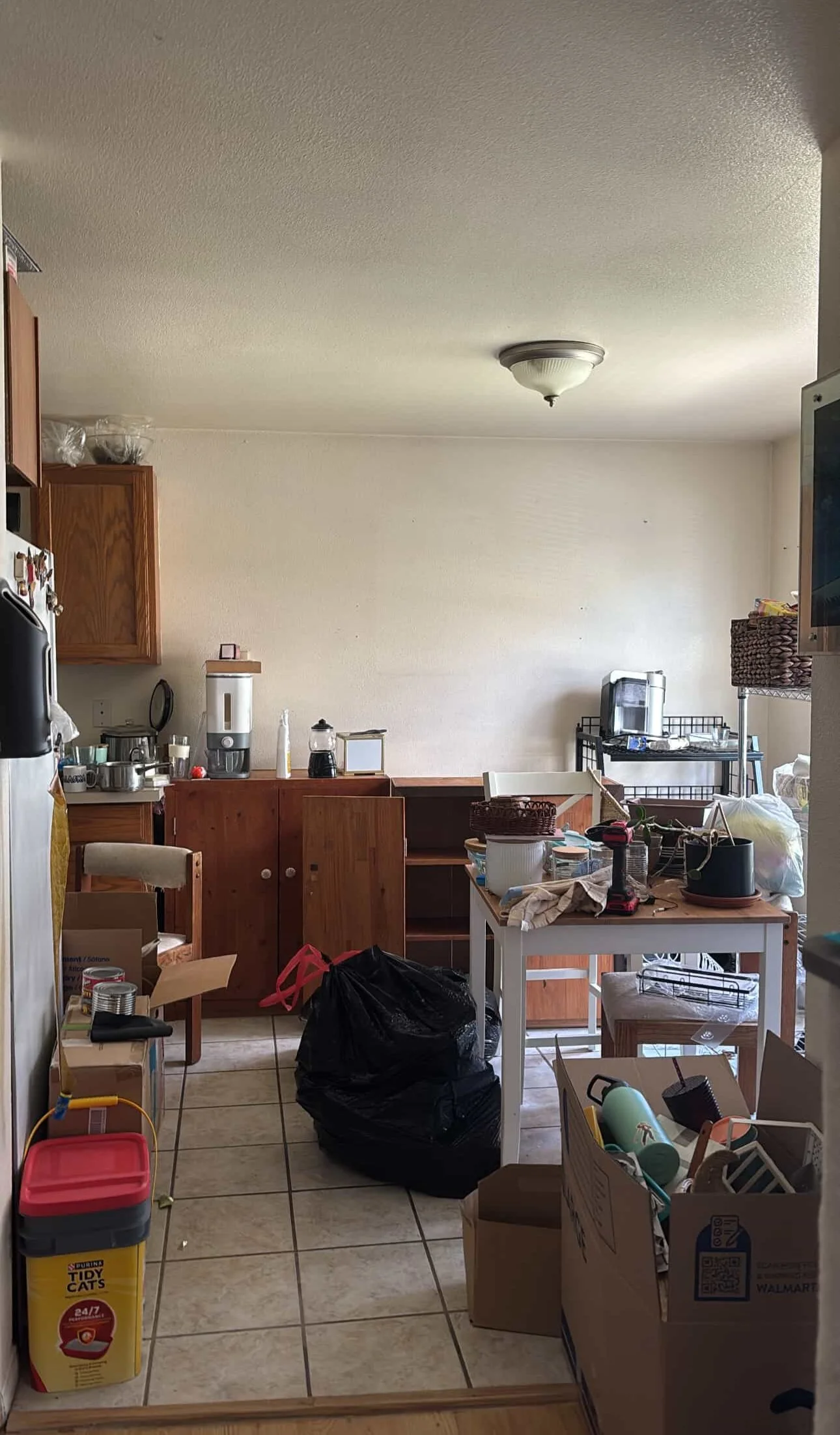
In February of 2025, I moved back into the small two-bedroom apartment that I spent 8 years growing up in. While being by his side, we went from downsizing more of my mom’s items to the home items I had grown up with over the years. No one mentioned a word of it, but I felt my dad and I were doing all of this decluttering to help me with the ending that could come with his diagnosis.
Despite his occasional thrifting of random home decor and visits to the casino, my dad was someone who would still preach to me about the value of saving and all the things we would leave behind after our inevitable death. It didn’t quite phase me until his unexpected passing in June of 2025, when I was left with the remainder of his thrifted items, paperwork, photos, jewelry, and yes, my personal items from over the years as well.
With the benefit of donating, selling, and trashing the big items over time, it took about a week to clear out 16 years’ worth of life in that apartment. ‘Clearing out’ also meant a lot of the items that didn’t fall into the three categories ended up filling my apartment and the storage unit I had at the time.
As I write this, it’s taken six months to get to a point of contentment with my relationship to releasing my own personal items and the items I’ve come to remember my parents by. But in reality, this journey started six years ago with my mom’s passing. Despite my dad’s reminders of physical belongings being an important separation from ourselves, I was still holding on and making space for items that I gave my own meaning to while others saw it as junk or random knick-knacks. It was a long process, but I want to be able to share the things I’ve learned and how to get through the hard parts of grief, and that is letting go.
There’s No Timeline on Grief
Grief is lifelong. It’s something that starts as a powerhouse of emotions, and over the years the light bulb inside dims but never goes out. Grief is a response we will feel in various stages; it’s what you choose to do with it that will shape your future.
When it came to decluttering my parents’ items, I began to give meaning to the smallest things, for example, a set of knobs on a cabinet my dad built that was too damaged to keep. I remember my partner looking a bit perplexed when I asked to keep them, but for me, I knew it was a form of my grieving. It was a way to remember my dad’s skill in carpentry and how it felt to watch him put it altogether. Allowing yourself to feel those emotions is valid, but in the back of your mind it’s good to remember that this attachment may pass as time moves on and there shouldn’t be a reason for you to feel guilty about it once it arrives.
People Do Not Equate to Things
My mom and dad are not defined by this item. These were the words repeated in my head as I walked over to the donation pile in the hallway. The item itself invokes a memory with my loved ones but they aren’t characterized by the door knobs, Welcome to Our Home sign, or small baskets they kept change in. Yes, those were some of the things I held onto. I don’t even own a home or plan on owning a home anytime soon either.
You will hear many minimalists tell you to take photos of the significant items before you part with them. In the future, it may present an opportunity to ask yourself, did I really look back on this? If you don’t or you just forget, it may have been okay to part with the thing.
Now I’m not telling you to get rid of everything. I wear my mom’s crewneck and my dad’s Seahawks merch, and that’s enough for me to feel close to them. But in my drawer I still have a spoon my parents used for their daily coffee and a set of dinnerware from the Dollar Store that we used religiously since I was six. These things remind me of routines and the importance of food in our culture and the dinners we’d share at our coffee table watching Wheel of Fortune. Maybe when the time comes, I can pass it forward, but for now, it remains with me and is another gentle reminder that grief has no timeline and that the items are what we make of it.
You Matter
In your early experiences with grief, it can be difficult to put your well-being first. It isn’t selfish to take care of yourself or to step away for a bit from the logistics of a person’s death.
My dad made decluttering happen on his own terms, and I noticed he kept key things that reminded him of my mom intact. The longer he engulfed himself in staring at the items, the more he’d cry for hours, and I was left wanting to give everything to be able to relieve him of that pain.
He spent the early years after my mom’s passing surrounded by her items. Untouched in the bathroom were the calendars marked with her chemo appointments and her makeup drawer. It was as if time was frozen, that she would come home again to make use of those things. By the time he was ready to progress into the final stages of his declutter, all her items fit into a small wardrobe cabinet and his cancer diagnosis took place. It was difficult for me to watch his growth be ripped away by the same thing that took my mom’s life.
As much as items can be a comfort or a reminder of our loved ones, they can create a difficult relationship with grief. If you feel such downward emotions as he did looking at her belongings, it may be good to tuck that away for when you’re ready to face it again. Keeping reminders of her chemotherapy appointments did more damage as it battled with the good memories he had with her. We have to make decisions that honor our loved ones while putting ourselves first. Our loved ones wouldn’t want us to be stressed over such items, and another person’s item does not have power over you.
So, I leave you with a reminder my dad left me— we were born with nothing physical, and we leave this life without anything physical.